
Diplomacy and International Relations
NSL4A supports strong diplomatic and development capabilities, anchored by a skilled and well-resourced civil and foreign service at the State Department.
These institutions are essential to preventing conflict, strengthening alliances, and advancing America’s global leadership and national security.

Support for Robust Diplomacy and Development
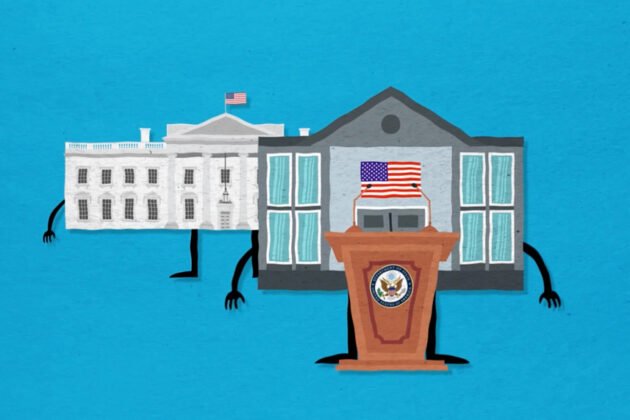
Maintaining a Capable Civil and Foreign Service in the State Department
Support for Robust Diplomacy and Development
Diplomacy helps the United States manage relationships between nations to prevent conflicts before they escalate.
Development programs help other countries strengthen their governments, economies, and healthcare systems, preventing threats like terrorism and disease before they reach our shores.
What Diplomacy & Development Do
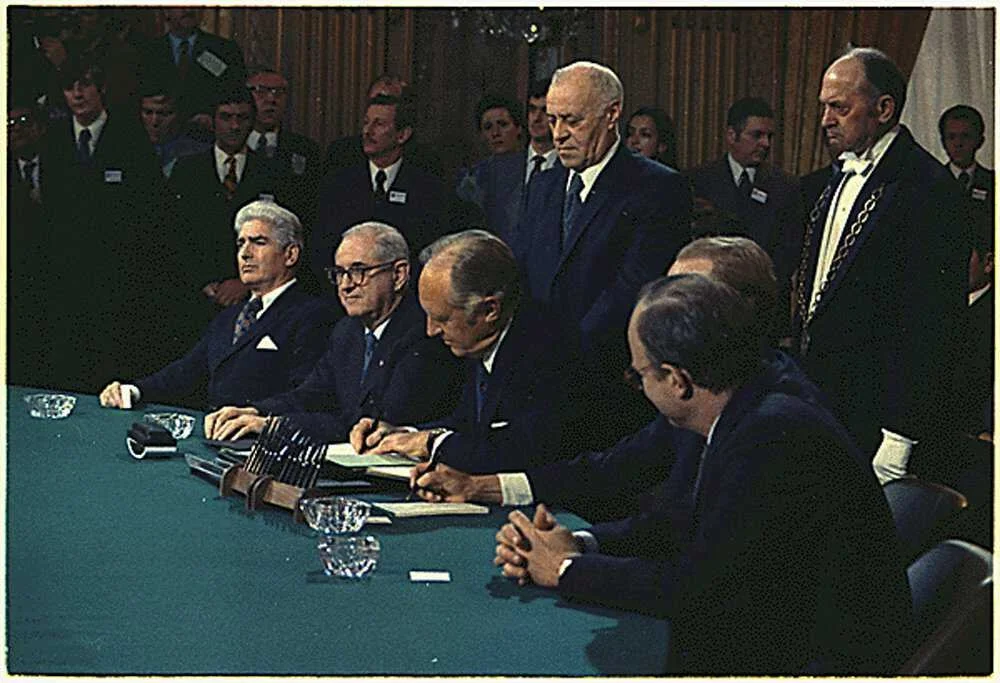
Representatives sign the Paris Peace Accords in Paris on January 27, 1973, formally ending direct U.S. military involvement in Vietnam.
Diplomacy deters war. But it does more than that.
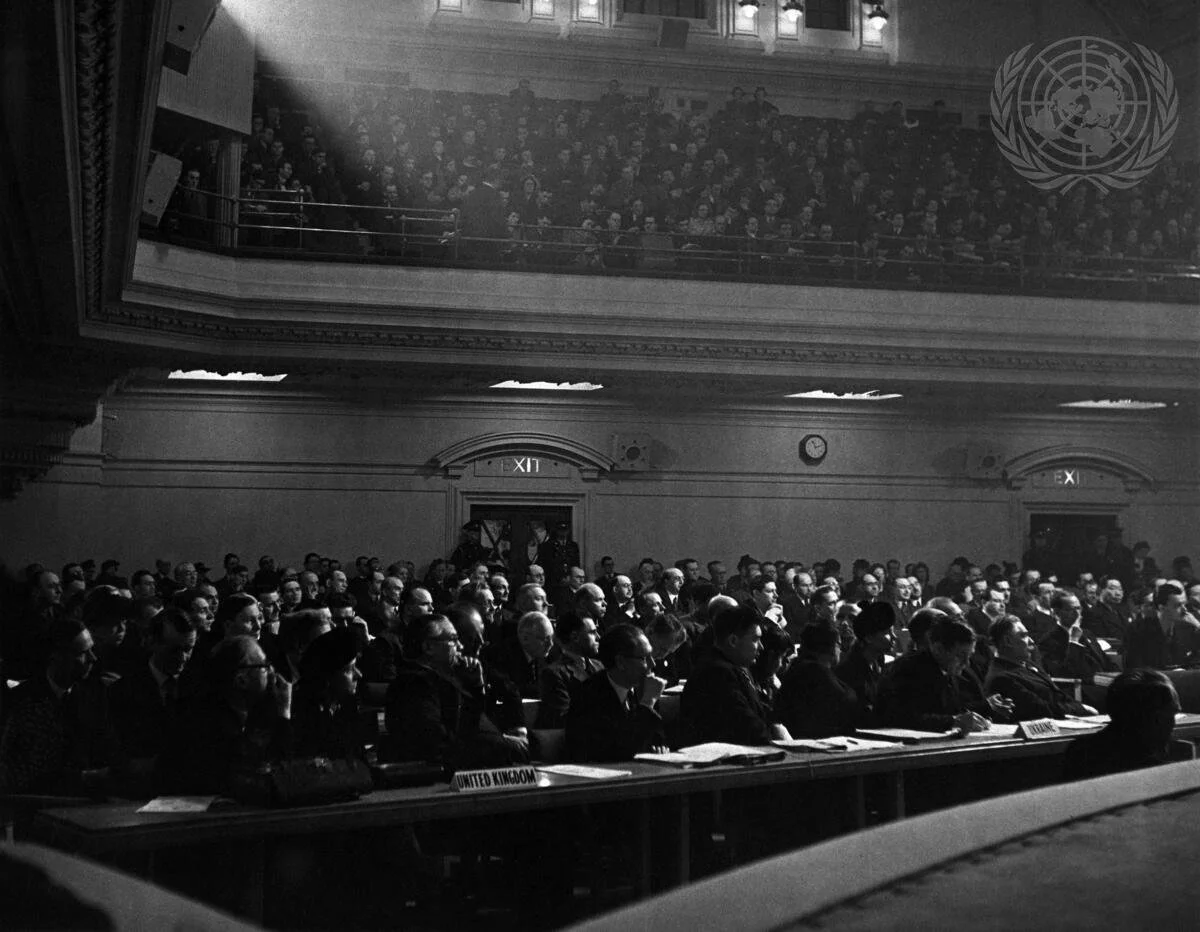
First session of the United Nations General Assembly, held in London on January 10, 1946.
Proven Tools of Peace
We've served at the highest levels of government and seen how well these tools work.
American diplomats played key roles in resolving the Cuban Missile Crisis and helping bring the Cold War to a peaceful close.
When skilled diplomats engage early in a crisis, they can prevent problems from escalating.
Smart development programs create lasting peace by fixing the root causes of extremism, crime, pandemics, and mass migration.
The Cost of Weakening Diplomacy
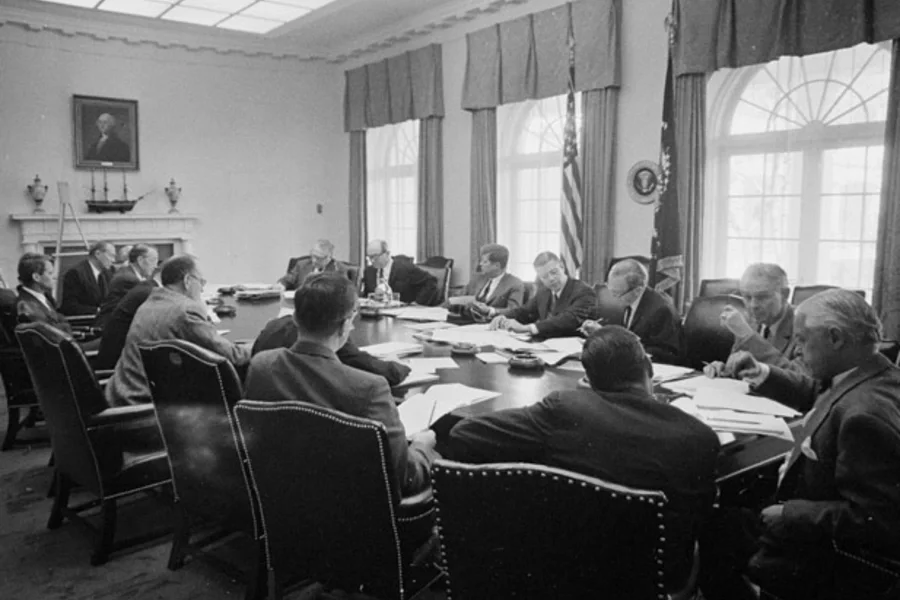
President John F. Kennedy meets with members of the Executive Committee of the National Security Council (EXCOMM) regarding the crisis in Cuba on October 29, 1962. Credit: Cecil Stoughton. White House Photographs. John F. Kennedy Presidential Library and Museum, Boston
The Clear Benefits
Diplomacy and development cost far less than sending troops overseas. These tools also boost America's influence worldwide, making it easier to solve future problems.
This imbalance drives up long-term costs and makes it more difficult to stop problems before they reach our shores.
How NSL4A Is Taking Action
NSL4A advocates for policies that strengthen American diplomacy, sustain international alliances, and ensure the State Department has the skilled, well-resourced workforce needed to prevent conflict, advance U.S. interests, and support effective global leadership.
Maintaining a capable civil and foreign service in the State Department
These career professionals work in more than 270 offices worldwide, building relationships that keep threats away from American neighborhoods. They gather information about potential dangers, negotiate agreements that stop conflicts before they begin, and coordinate with allies to track down terrorists and criminals.
Preventing Problems Before They Start
The proof is often what didn’t happen. When you flip on the news and don't see reports of major wars or terrorist attacks, that's often because American diplomats prevented problems before they started.
You might think the State Department only matters only when you travel overseas.
But America's diplomats—the skilled professionals working in our embassies around the world—actually protect your family's safety and wallet every single day, right here at home.
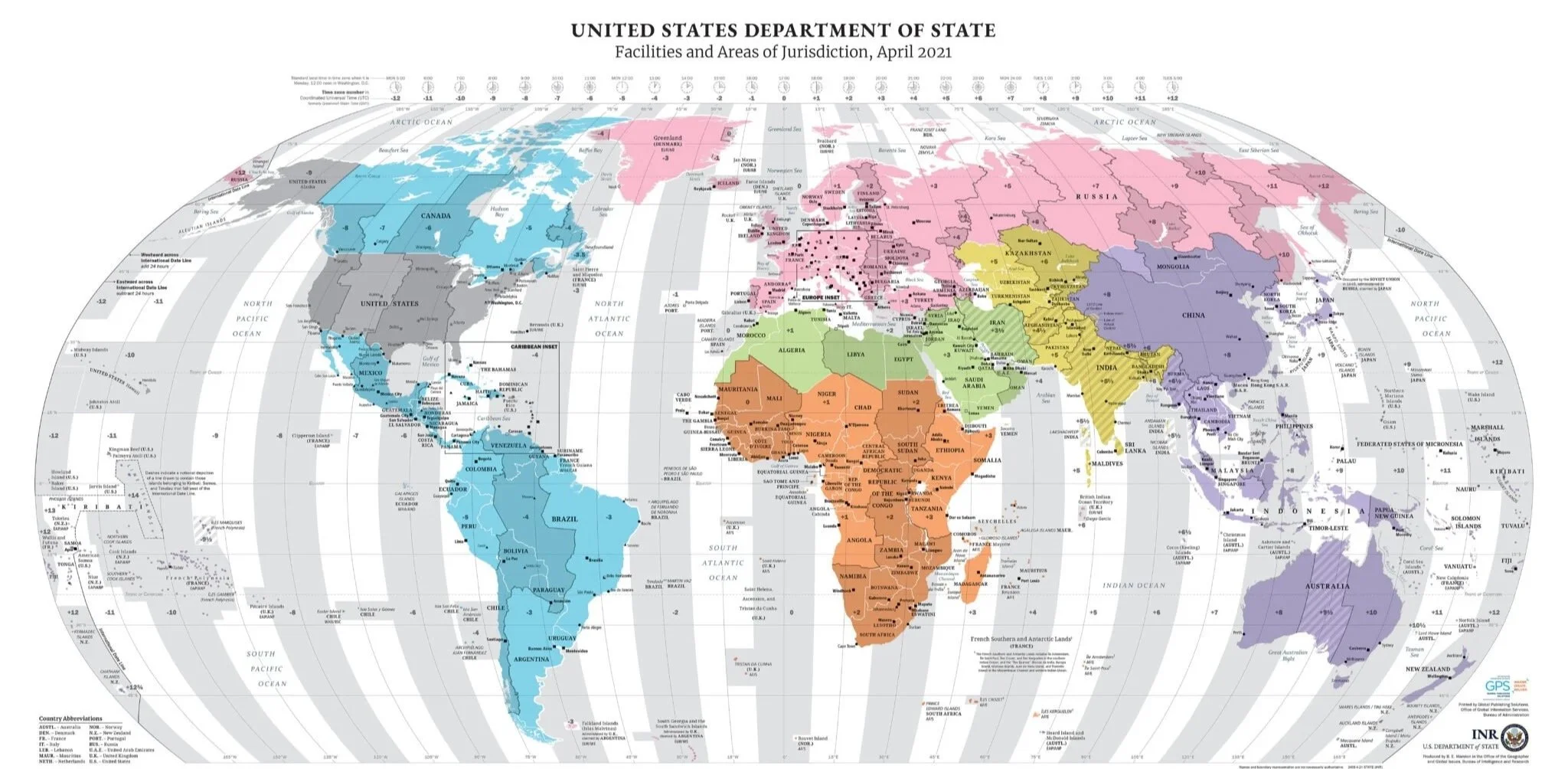
Map of U.S. Department of State facilities and areas of jurisdiction worldwide, April 2021. Source: U.S. Department of State Magazine (statemag.state.gov)
Diplomats and Your Wallet
Every time you buy affordable electronics, clothing, or food from other countries, you're benefiting from trade agreements that diplomats negotiated.
These professionals who speak local languages and understand foreign cultures work to open markets for American businesses and ensure fair prices for American consumers.
When a factory in your state wants to sell products overseas, or when your local grocery store needs to import affordable produce, diplomats remove barriers and create opportunities that put money back in your pocket.
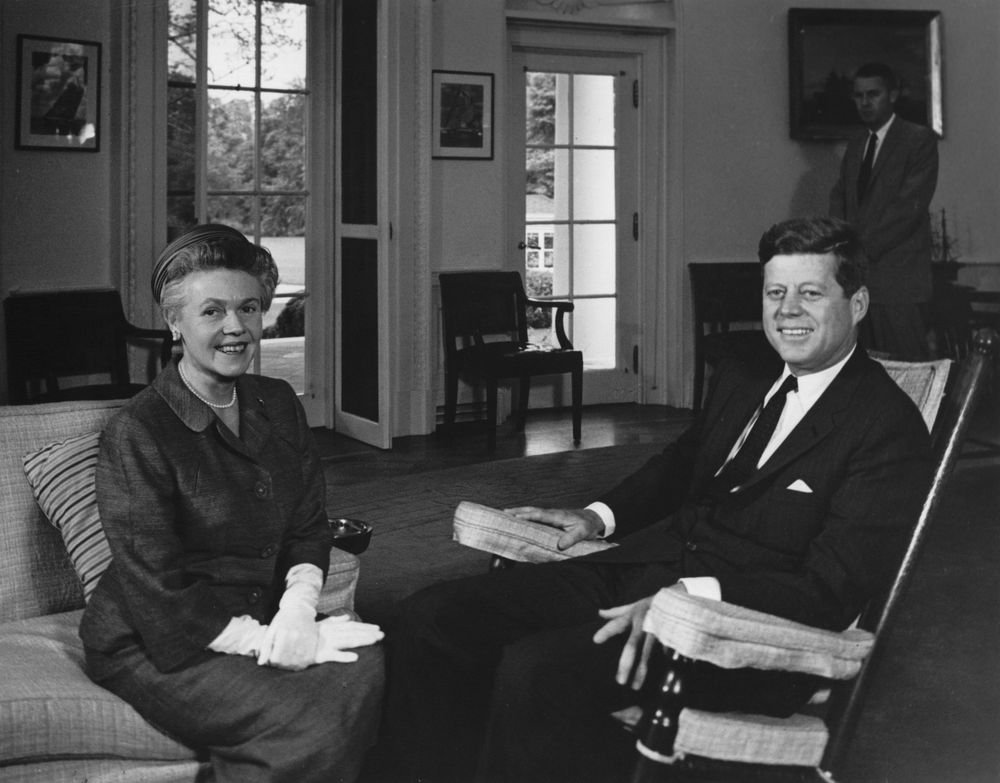
President John F. Kennedy meets with newly-appointed United States Minister to Bulgaria, Eugenie M. Anderson, in May 1962. Anderson was the first woman to serve as a U.S. ambassador and negotiated the 1951 Greenland Defense Agreement between the U.S. and Denmark, a key milestone in Arctic and NATO strategic interests. Source: John F. Kennedy Presidential Library and Museum, AR7272-A, Public Domain.
Responding to Crises
When hurricanes hit, when supply chains break, or when Americans need rescue from dangerous situations abroad, our diplomatic network springs into action.
Career diplomats coordinate international aid.
They manage refugee situations that could affect your community.
They ensure Americans get the help we need during disasters.
They also process visas for international students, workers, and visitors who contribute to your local economy.
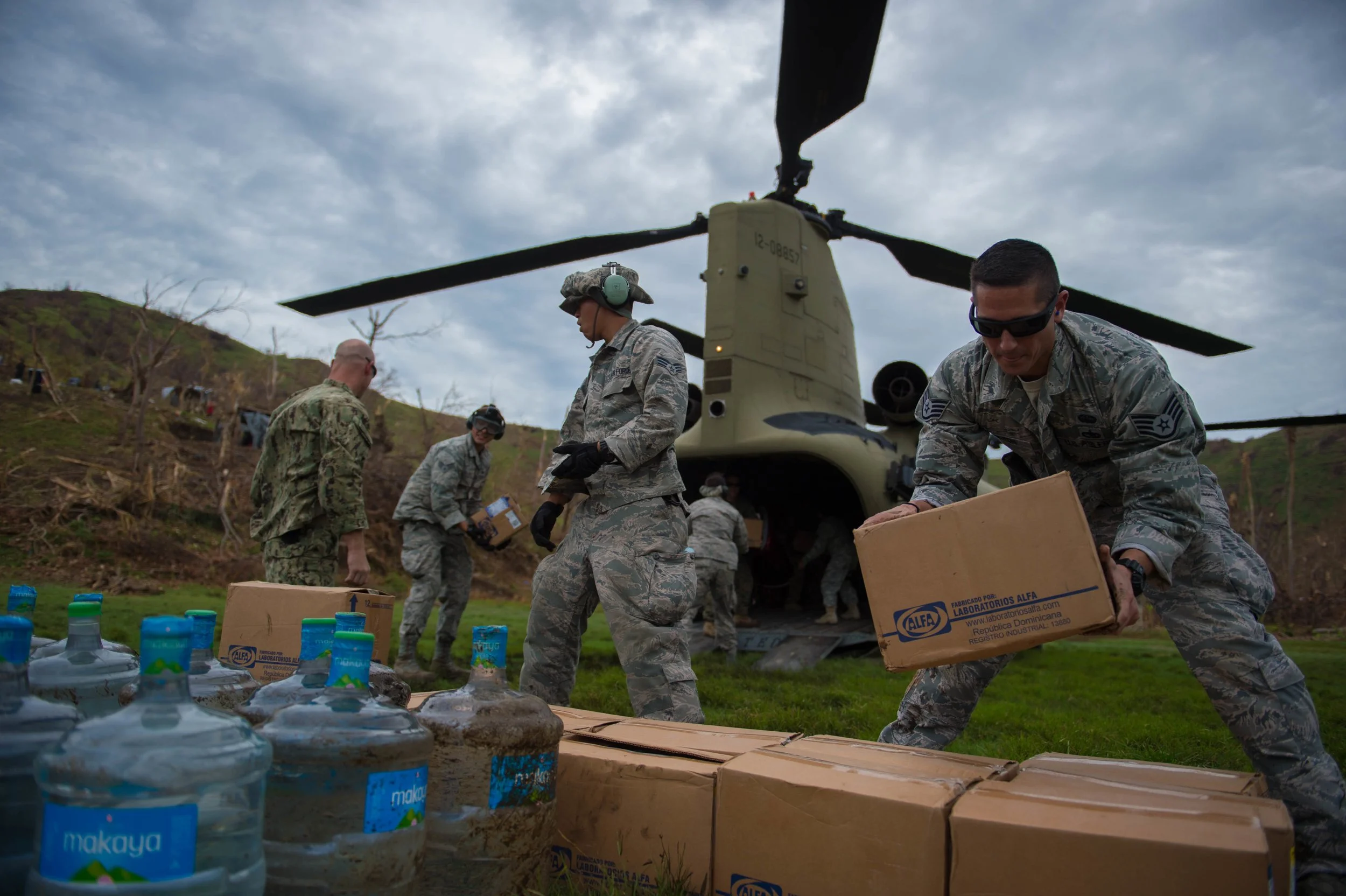
U.S. service members off‑load aid boxes and water from a CH‑47 Chinook during a relief mission in Anse d’Hainault, Haiti, Oct. 14, 2016. Source: Photo by Staff Sgt. Paul Labbe / U.S. Southern Command (southcom.mil)
A Diplomatic Corps in Trouble
Unfortunately, our diplomatic corps is in trouble. Years of budget cuts and hiring freezes have left our embassies short-staffed. Experienced diplomats are quitting faster than we can replace them. Critical positions sit empty while countries like China and Russia rapidly expand their diplomatic presence worldwide.
What happens when embassies operate with skeleton crews?
American businesses struggle to compete in foreign markets.
Our ability to prevent conflicts weakens.
Crisis response becomes slower and less effective.
Our enemies gain on-the-ground relationships that thwart American interests and ideals.
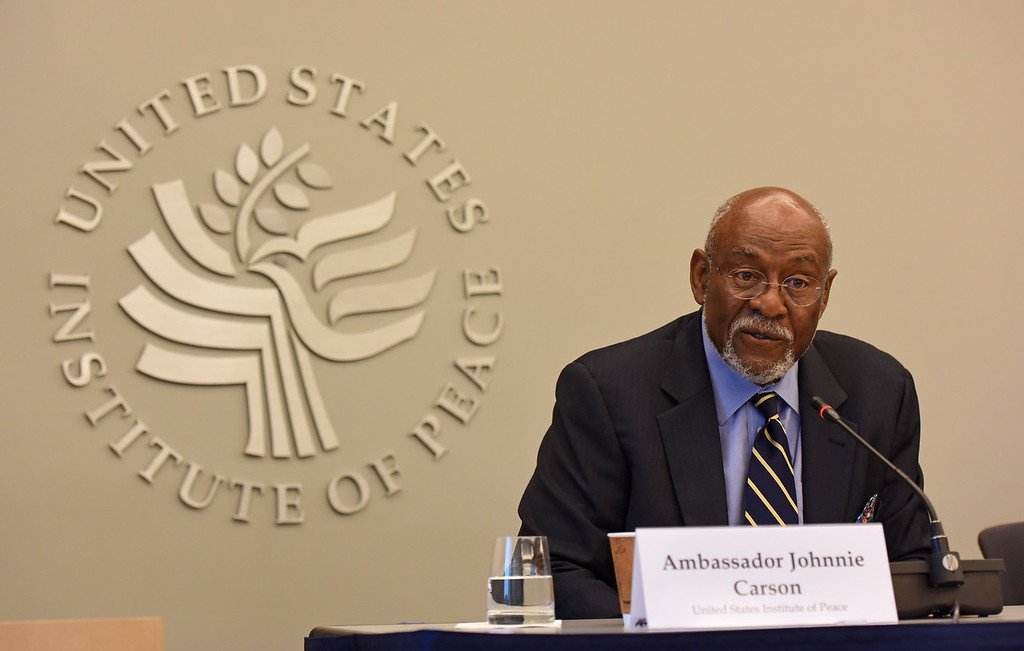
Ambassador Johnnie Carson, Senior Adviser at the United States Institute of Peace. Carson led U.S. Africa strategy from 2009–2013 and served as the Senior U.S. representative at African Union and East African Community signing ceremonies. . Source: U.S. Institute of Peace.
Rebuilding Diplomatic Strength
We need to rebuild our diplomatic strength through smart investments in the people who represent America abroad. This means hiring and training more skilled diplomats, offering competitive pay to keep experienced professionals, properly staffing our embassies and consulates, and giving diplomats the tools they need to succeed.
How NSL4A Is Taking Action
NSL4A advocates for policies that strengthen American diplomacy, sustain international alliances, and ensure the State Department has the skilled, well-resourced workforce needed to prevent conflict, advance U.S. interests, and support effective global leadership.