
Women and Minorities in National Security
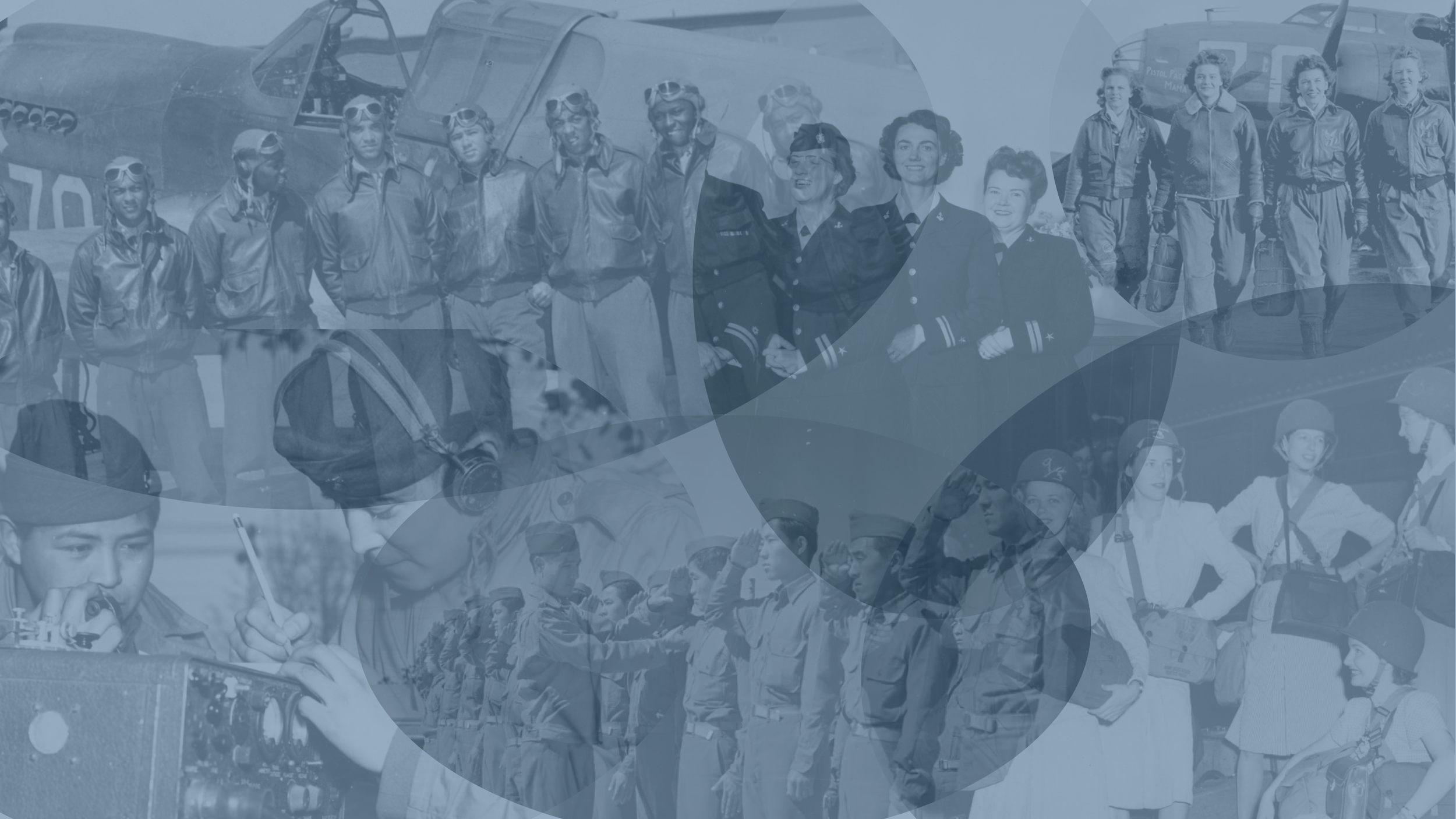
NSL4A affirms that U.S. national security depends on merit-based leadership that fully leverages the proven contributions of women and minorities, reflects the full breadth of qualified American talent, strengthens public confidence in our institutions, and rejects exclusionary policies that weaken readiness.
A Strategic Necessity
Background
-
Prohibits employment discrimination in the workplace.
-
These include DoD Directive 1350.2 (1995), DoD Directive 1440.1 (early 2000s), and DoD Directive 1020.02 (2018), as well as DoD Instruction 1350.02 (2020) and DoD Instruction 1020.03 (2018), which establish policies to prevent discrimination and promote fair treatment for all military and civilian personnel.
-
These include EO 13583 (2011) and EO 14035 (2021), both of which require federal agencies to adopt policies supporting inclusive hiring, promotion, and workplace practices.
Governing Laws and Directives
Federal law and Department of Defense policy prohibit discrimination and establish equal opportunity across the national security workforce.
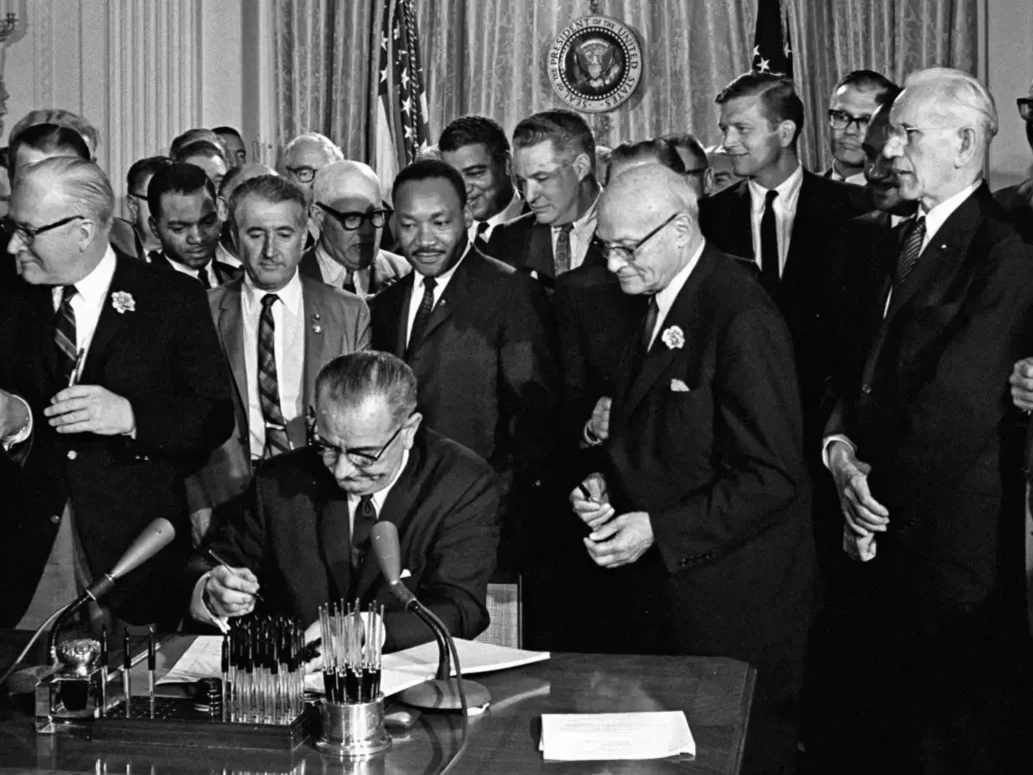
U.S. Pres. Lyndon B. Johnson signing the 1964 Civil Rights Act as Martin Luther King, Jr., and others look on, Washington, D.C., July 2, 1964. Source: Lyndon B. Johnson Library and Museum; photograph, Cecil Stoughton
However, recent Executive Orders and Directives have eliminated many previous Diversity, Equity, Inclusion, and Accessibility (DEIA) initiatives that were designed to reduce discrimination.
Many of these changes are currently being litigated to determine their legality. Protections remain in effect under federal statutes such as the Rehabilitation Act of 1973, which ensures equal employment opportunity for individuals with disabilities.
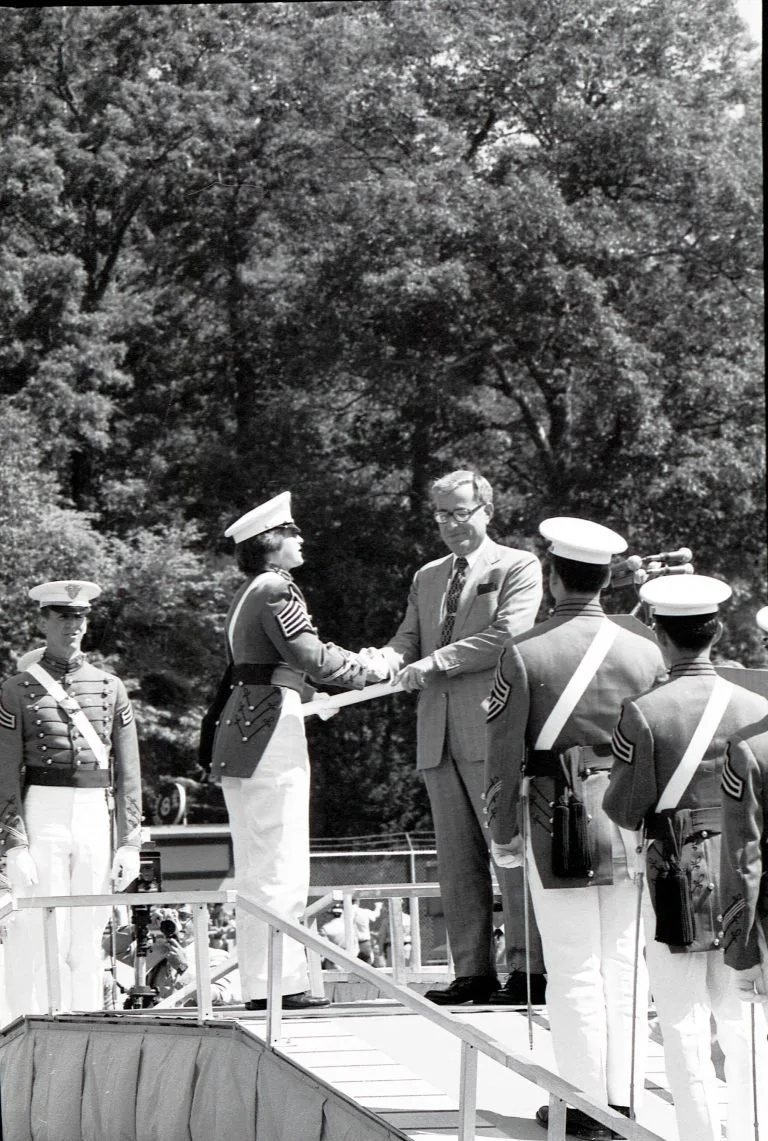
Andrea Hollen receives her diploma at the U.S. Military Academy at West Point in 1980, part of the first class of women commissioned as U.S. Army officers. Source: Department of Defense
Recent actions include the dissolution of prior Executive Orders protecting Diversity, Equity, Inclusion, and Accessibility (DEIA), affecting the capability a diverse force brings to the military. The Secretary of Defense has also referenced 10 memorandums expected to be implemented as DoD Directives or Instructions that could weaken safeguards against misconduct, sexual harassment and assault, hazing, and discrimination, and limit the ability of women in the military to train for war.
Historical Context
Historically, women and minorities were excluded from many combat, intelligence, and decision-making roles in national security. Major reforms in the late 20th and early 21st centuries expanded access and leadership pathways.
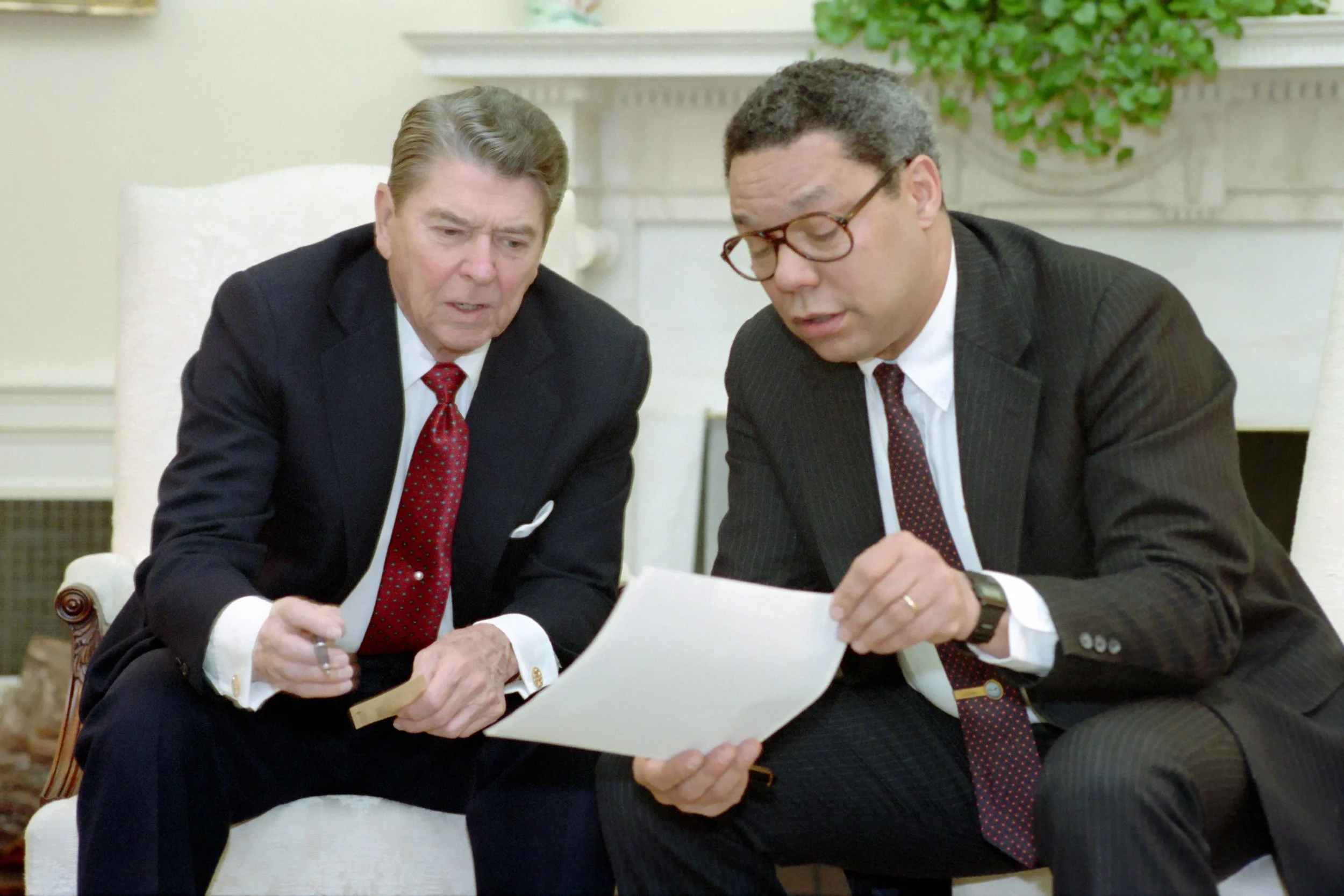
Colin Powell, here as President Reagan’s National Security Advisor, rose to the rank of four-star general and became the first African American to serve as Chairman of the Joint Chiefs of Staff and Secretary of State.
Coalition Spotlight
NSL4A supports the work of the Women in Service Coalition, Inc.

(pronounced "whiskey")
Advocating for women and men in military service, as well as veterans, WiSCI promotes smart policies around gender integration that will strengthen our military and better prepare us to win the wars of today and beyond.
Why This Issue Matters to U.S. National Security
Diverse teams improve strategic decision-making and operational problem-solving.
U.S. credibility abroad is strengthened when its defense leadership reflects the population it protects.
Exclusion of qualified leaders weakens readiness, morale, and military recruiting and retention.
Changes being implemented by the Secretary of Defense impact qualification criteria for female servicemembers, risking the trust and confidence military leaders have built to effectively command American troops.
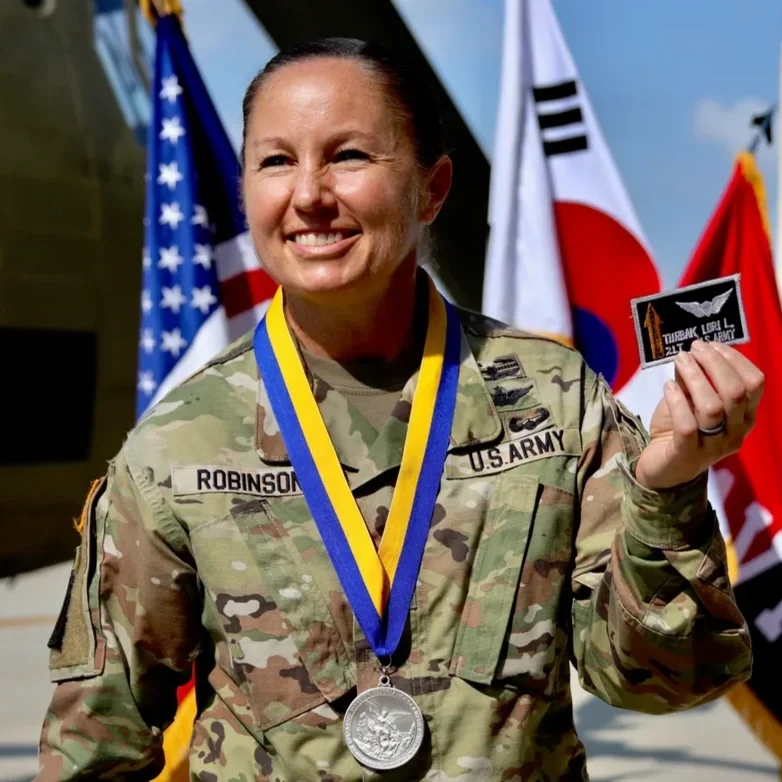
Brig. Gen. Lori Robinson, USA (Ret.), stands after receiving the Order of St. Michael Silver Award in South Korea in 2022, recognizing her sustained contributions to Army aviation and mission readiness. Source: U.S. Army photo by Capt. Frank Spatt
The Concern
Recent or Notable Examples
Removal of senior women and minority officers from national security leadership positions
Elimination of DEI offices across federal agencies
Reversal of recognition programs honoring historically underrepresented service members
Rising barriers in recruitment, commissioning, and promotion pipelines
Learn More on the WiSCI Resources Page
Red Flags
Removal of qualified personnel based on gender, race, or ethnicity, or sexual orientation
Elimination of programs supporting equal opportunity, leadership development, or DEI initiatives
Policy changes that uniquely disadvantage minority service members
Systemic barriers preventing merit-based advancement for underrepresented groups
Increasing physical requirements that privilege one group over another with no correlation to combat capability, making the military weaker and less capable
Spotlight:
Women and Minority Veterans
Leadership, Sacrifice, Legacy
This curated video playlist honors women and minority veterans whose courage, leadership, and service have played a defining role in U.S. military history—from World War II through Iraq and Afghanistan. Their stories underscore a simple truth: national security has always depended on diverse Americans willing to serve.
What Can Be Done?
Monitor and support litigation defending the rights of women and minority service members, including amicus efforts and legal research addressing the impact of the 10 memorandums if implemented as Directives or Instructions.
Educate members of Congress on readiness impacts of exclusionary policies, advocate for legislation protecting equal-opportunity programs, and provide expert, data-driven briefings to Capitol Hill.
Collaborate with civil-rights organizations, veteran and military-family networks, service academies, ROTC programs, and public-service institutions to promote inclusive professional cultures and deter policies that weaken the national security force.
NSL4A Actions
Legal, legislative, and coalition-based efforts are essential to protecting equal opportunity and maintaining readiness across the national security workforce.
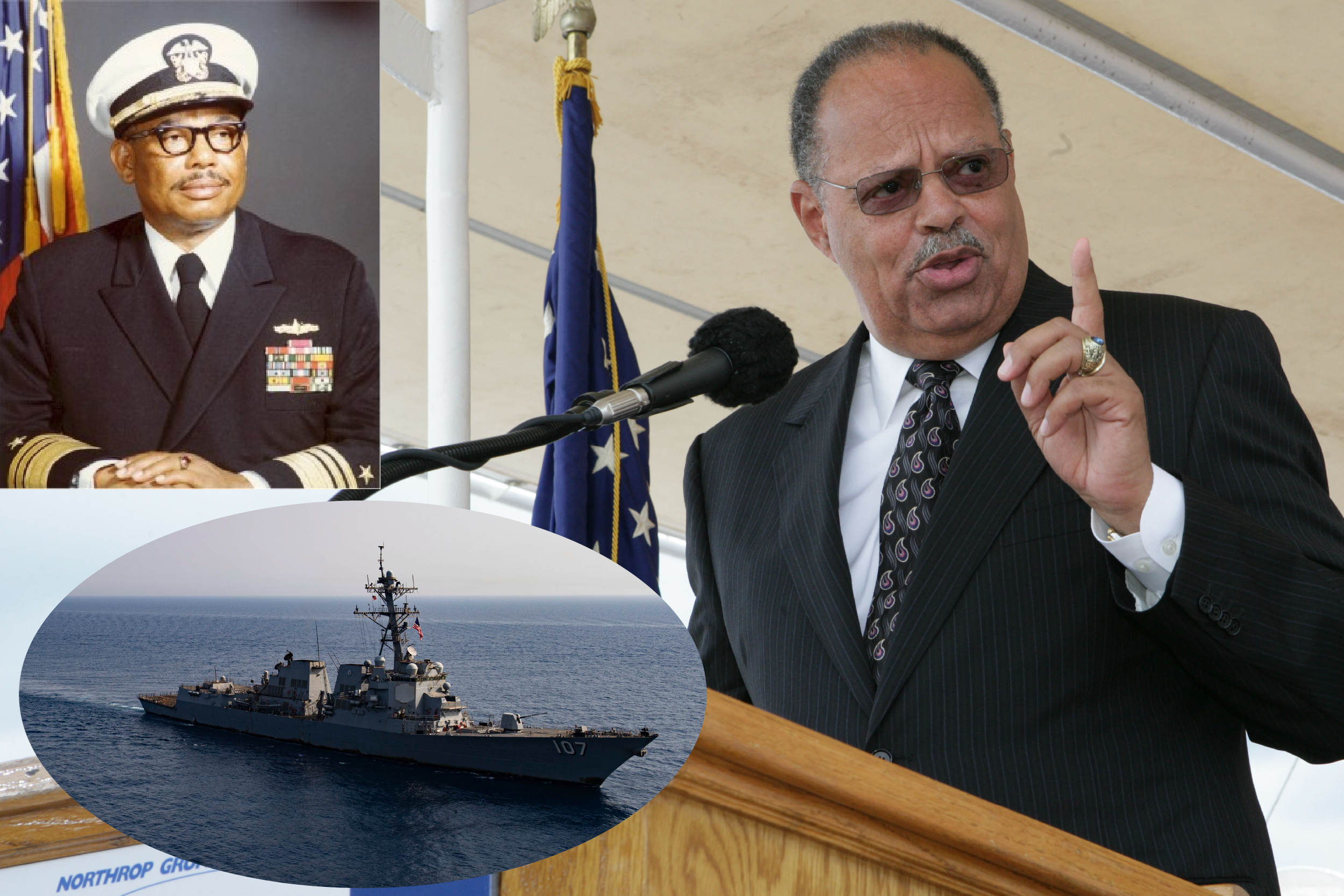
Retired Admiral J. Paul Reason, the first African-American four-star admiral, speaking at the christening of the USS Gravely (DDG 107), discusses how the ship's namesake, Vice Adm. Samuel L. Gravely Jr., paved a path to follow for minority officers and all officers in the United States Navy.
Citizen and Voter Engagement
Contact elected officials to oppose policies that eliminate equal-opportunity programs
Share accurate information on how diversity strengthens U.S. defense
Support affected service members and encourage underrepresented communities to pursue national service
Public engagement strengthens Congress’s willingness to defend inclusive workforce policies, amplifies the experiences of impacted individuals, and raises visibility into Department of Defense actions so that, if memoranda are enacted, the cost of failure is understood to be too high.
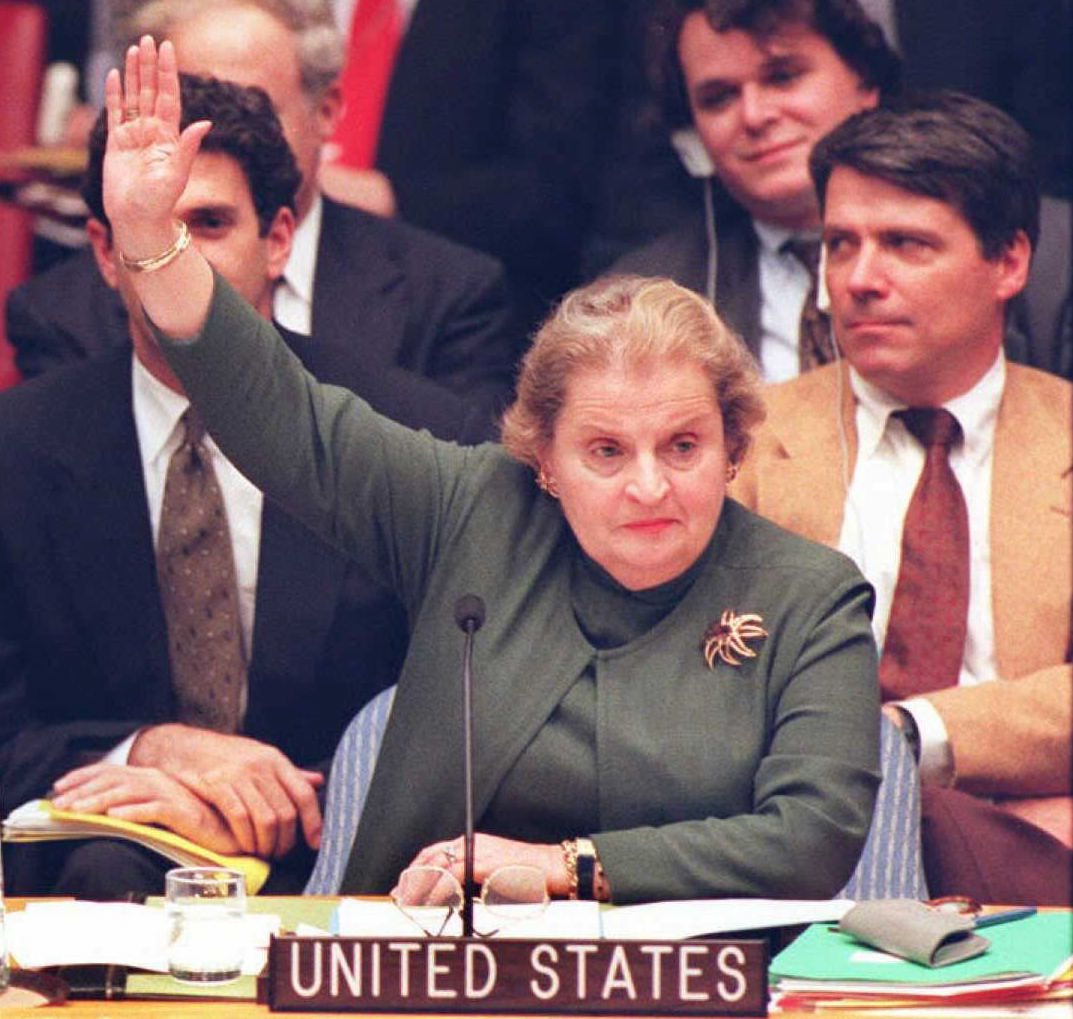
Madeleine Albright, here as U.S. Ambassador to the United Nations, advocated for diplomacy and democratic alliances in the post–Cold War era and was the first woman to lead the State Department.
How NSL4A Is Taking Action
NSL4A advocates for policies that uphold anti-discrimination protections, preserve merit-based advancement, and ensure national security institutions are not weakened by the exclusion of qualified leaders or the removal of safeguards that strengthen force capability.