
Civilian National Security and Intelligence Services
NSL4A defends the integrity of America’s civilian national security, intelligence, and foreign service professionals.
We advocate for intelligence free from political interference—ensuring that decisions to safeguard our nation rely on objective, fact-based information.
Protecting Civil Service Within the National Security Agencies and Departments
Preventing Politicization of the Intelligence Service
The Civilian Backbone of National Security
The Role of Civil Servants in National Security
Many Americans don’t know or understand the roles of civil servants, especially regarding national security. (“Civil service” refers to those employed by the U.S. government to serve its citizens.) When they hear the term “national security,” most people think first of the military. However, civil servants also play a crucial role in keeping America safe. Like the U.S. military, they serve the needs of the country without regard for which party is in power.
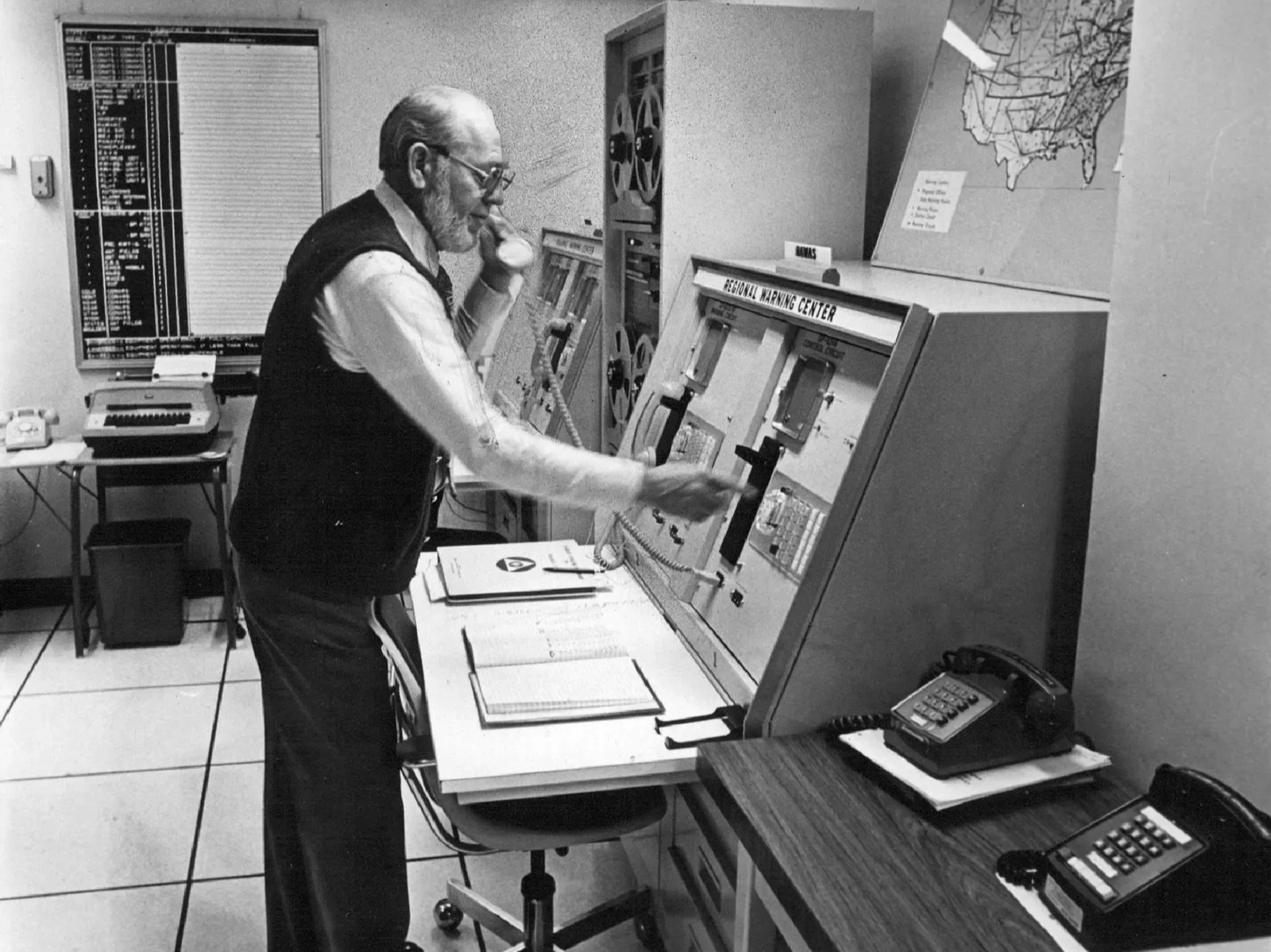
FEMA personnel at the Regional Warning Center were tasked with responding to nuclear emergencies. Credit: Dave Buresh/Denver Post/Getty Images
Civil Service: Not a “Deep State”
In recent years, the term “deep state” has been used to describe America’s civil servants. This is inaccurate. The United States has never had a “deep state” that secretly controls government operations. Some countries do. The U.S. does not. Instead, America relies on a transparent, lawful system of professional public servants who carry out the work of government as directed by elected leaders and in service to the Constitution.
The modern merit-based civil service was created after the assassination of President James Garfield in 1881, replacing the corrupt “spoils system” with a nonpartisan workforce that serves the nation regardless of which political party is in power.
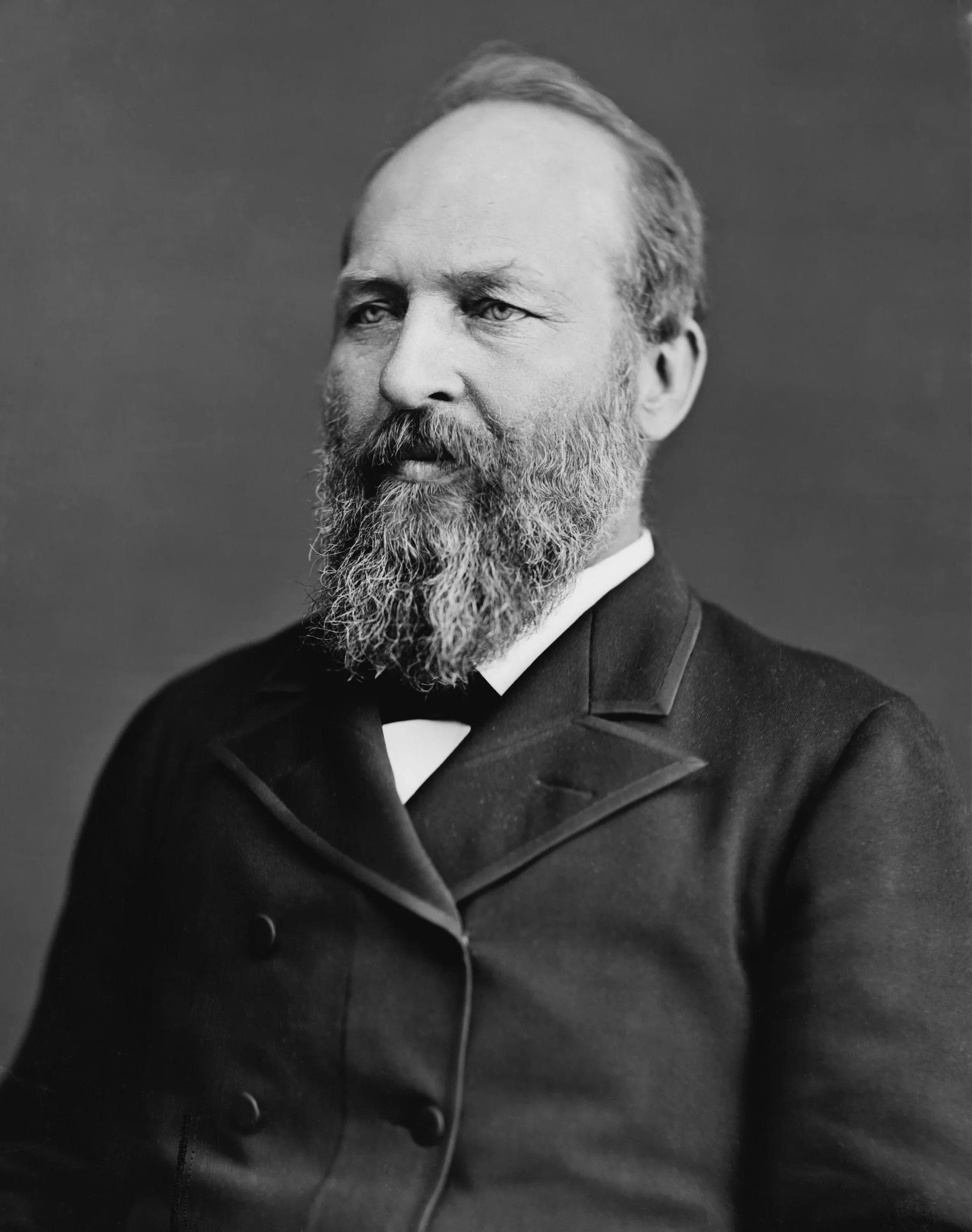
U.S. Pres. James A. Garfield, 1881.
Expertise That Protects America
Within our national security agencies and departments, these career professionals provide the continuity and expertise to protect America.
More than 70 percent of federal employees work in defense and security-related roles.
Nearly one-third are military veterans who continue serving their country in civilian capacities.
These are the intelligence analysts who track emerging threats, cybersecurity experts who defend critical infrastructure, diplomats who manage complex international crises, and researchers who develop technologies that keep our military ahead of its adversaries.
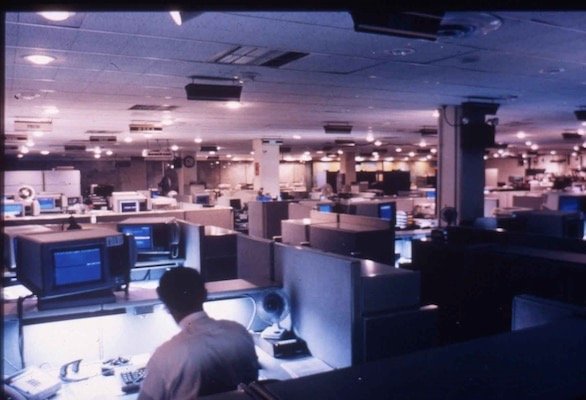
NSA’s National Security Operations Center (NSOC) watch floor, circa 1980s
During the 1981 Iran hostage crisis, President Jimmy Carter maintained a direct, real-time communications link with the National Security Operations Center to monitor events as they unfolded.
That’s why the “spoils system” was ended in the 1880s, and why civil servants who work in national security must remain free of political interference.
Threats to Civil Service Integrity
Today, this foundational system faces unprecedented threats. Recent executive orders have created new employment categories that could strip civil service protections from tens of thousands of federal workers, potentially converting merit-based positions into political appointments.
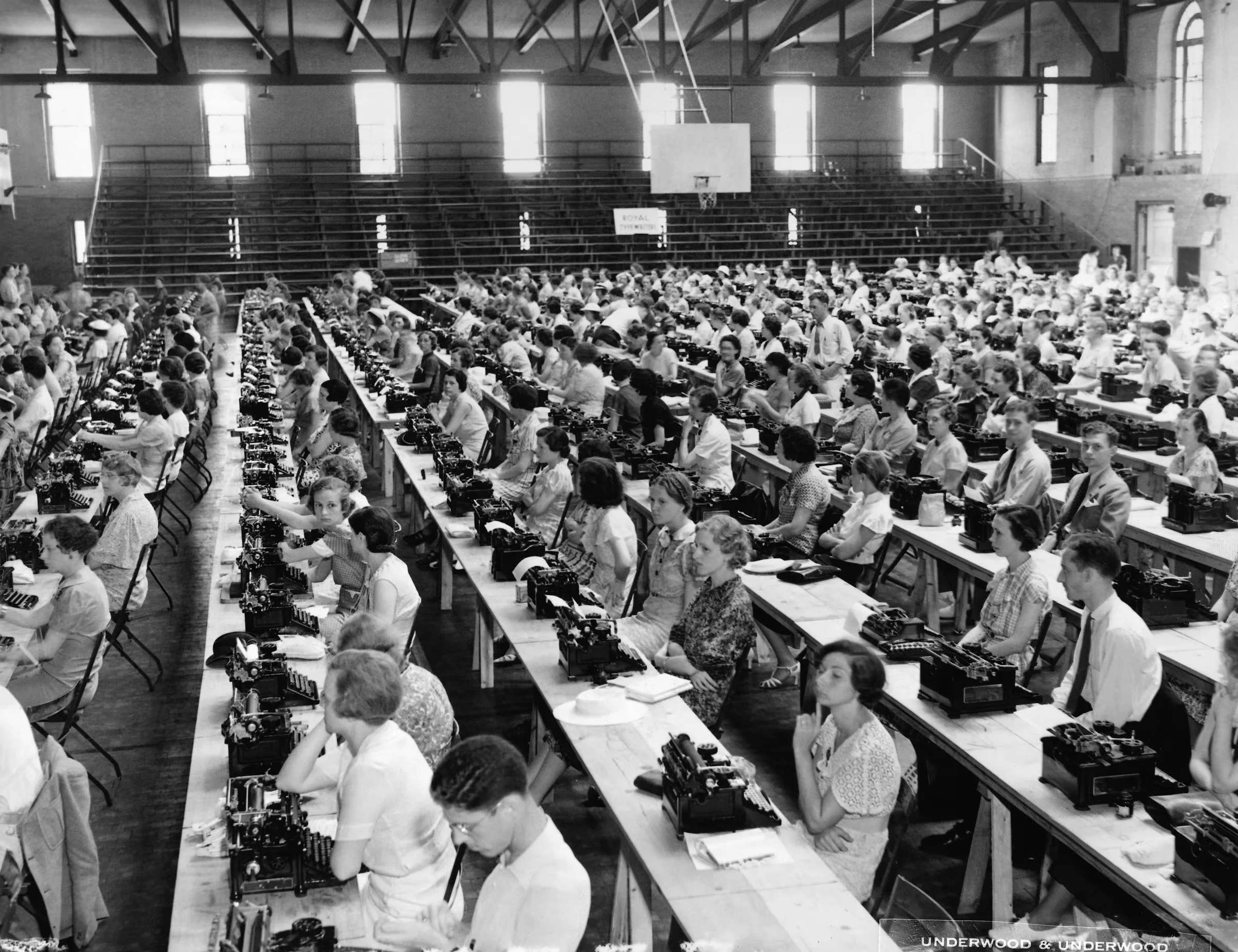
Stenographers and typists taking a civil service exam on July 9, 1936.
◆ Intelligence analysts must feel free to report uncomfortable truths.
◆ Diplomats need latitude to pursue sensitive negotiations.
◆ Security professionals require independence to identify vulnerabilities without political interference.
Our national security depends on it.
Why Independence Matters
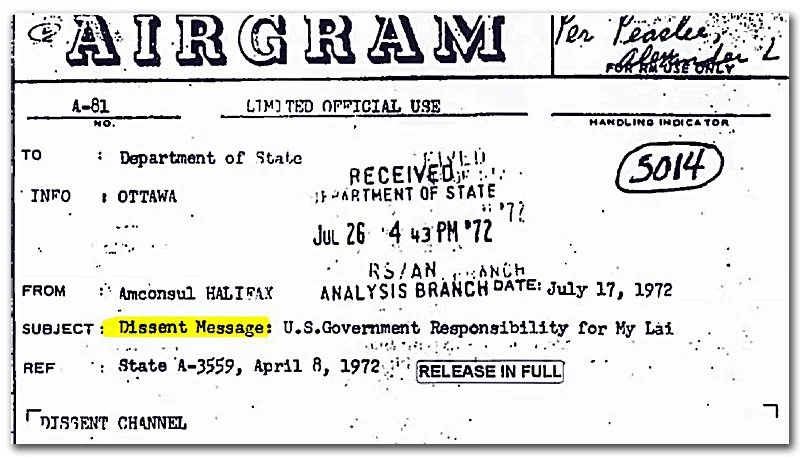
This historic airgram from U.S. Foreign Service officers illustrates how civil servants provide honest, independent assessments on sensitive international issues. Documents like this demonstrate the vital role of professional integrity in protecting national security, even when reporting difficult or sensitive information.
Credit: National Security Archive / U.S. Foreign Service
How NSL4A Is Taking Action
Learn More
Preventing Politicization of the Intelligence Service
What is Intelligence and Why Should I Care?
Intelligence, in the context of U.S. national security, is information that has been collected, processed, and analyzed to create a clear picture of foreign threats, intentions, and capabilities. When the pieces are connected, we know more about our adversaries, potential allies, and global events.
This knowledge is used to protect the nation from a range of threats such as terrorism, cyberattacks, espionage, and the proliferation of weapons of mass destruction. Intelligence also helps policymakers understand complex international situations, helping them make sound decisions about foreign policy and military strategy.
Bottom line: Intelligence turns raw data into actionable insights that help protect America.
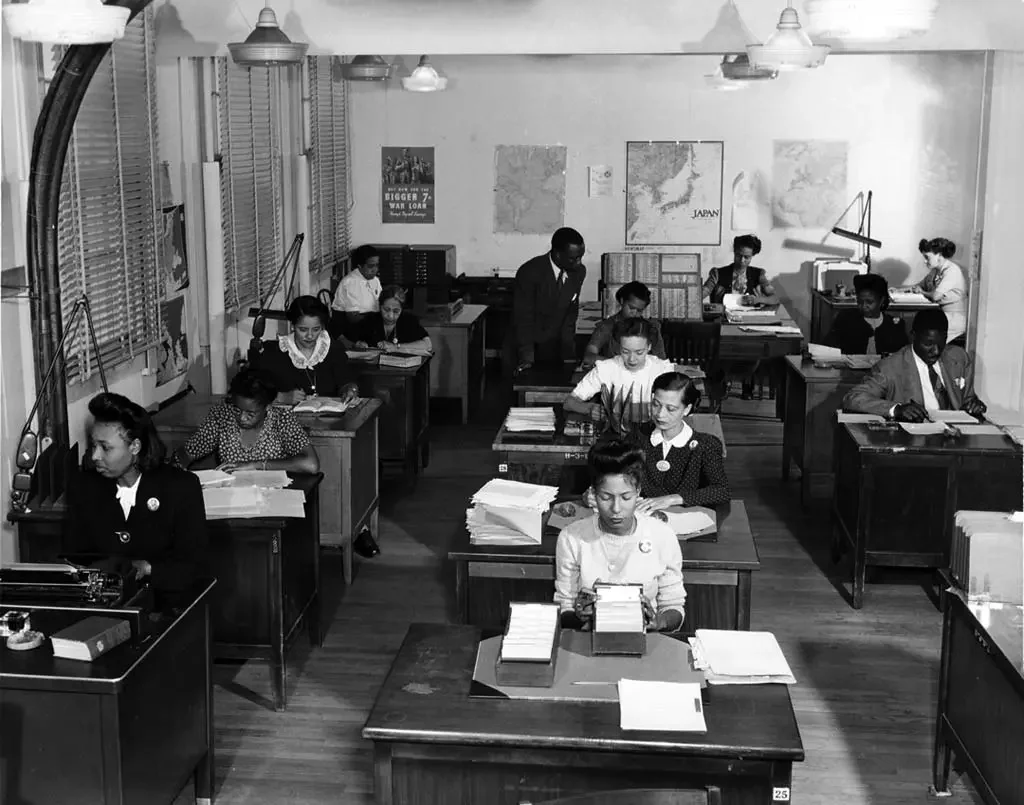
A segregated office during World War II. William Coffee, standing, was the first African-American supervisor in the U.S. Army's cryptologic organization. Like the larger U.S. military, the intelligence services were also segregated. Credit: NSA
What is the Issue with “Politicization?”
Some people point out that all federal agencies fall under the guidance of the president, who is a politician, so what’s the problem with so-called “politicization?” Consider the mission, and how frequently political leadership changes. For intelligence in particular, principles and standards should not change with change in leadership.
The U.S. Intelligence Community (USIC or just I.C.) mission is to safeguard our interests and national security. The 18 different elements of the I.C. accomplish this by delivering objective, unbiased intelligence to policymakers.
Politicization means altering the tone or character of the intelligence community—or its findings—based on who is in power rather than on objective reality. The mission and values of the IC do not change, and they should never be reshaped to suit political interests.
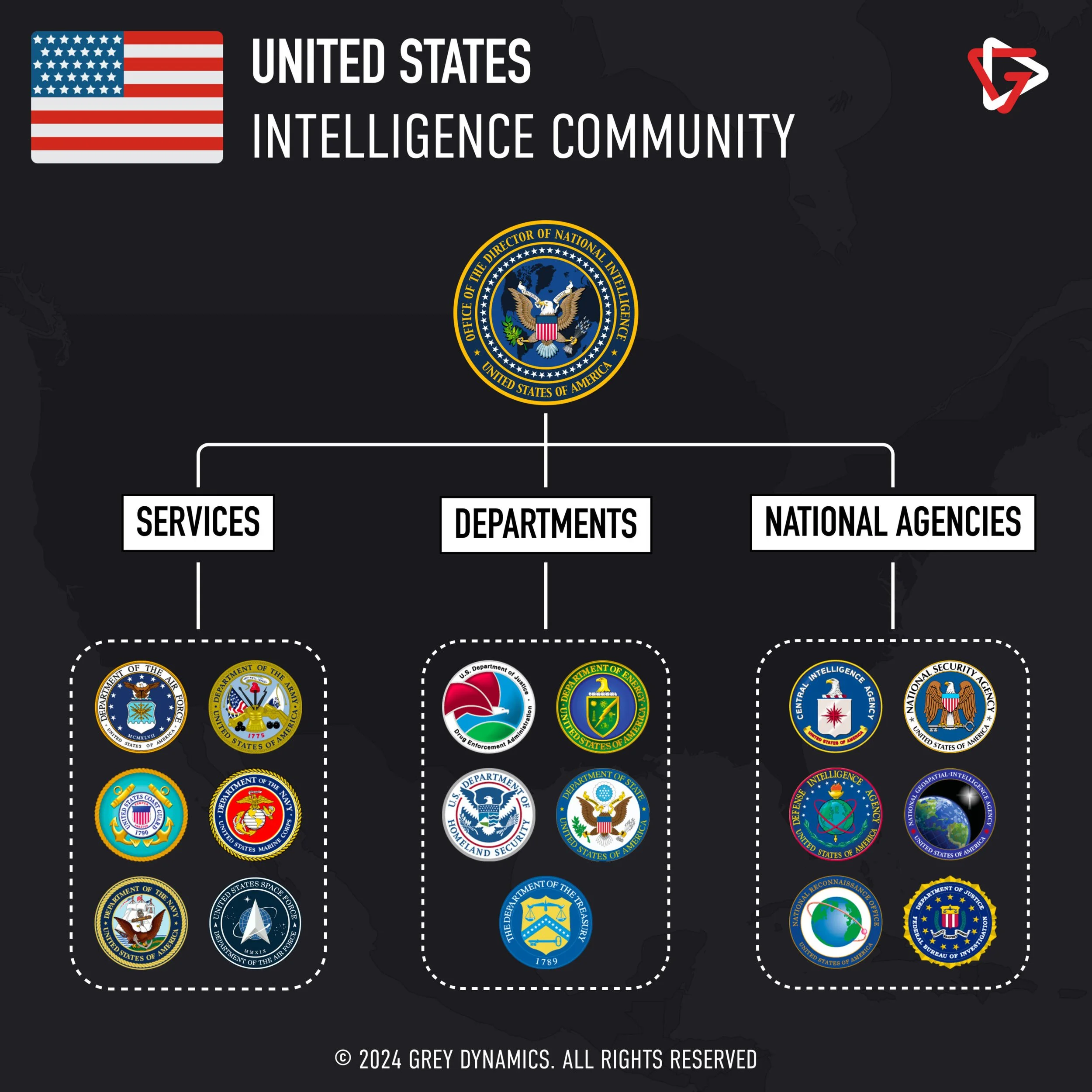
“Analytic objectivity and sound intelligence tradecraft ensure our nation’s leaders receive unbiased and accurate intelligence to inform their decisions.”
Why Objectivity Matters
As the Director of National Intelligence (DNI) states on their website:
In other words, the IC is a honed tradecraft, not a political tool. Placing individuals without the necessary know-how, experience, or training into positions of leadership – either over or inside the IC – increases the risk of accidents, missteps, or more serious issues.
History provides ample examples, including:
The invasion of Iraq
The Gulf of Tonkin incident
Efforts to exaggerate the USSR’s capabilities
When mistakes are made by the IC, lives can be lost, the initiative can be dropped, and the security of the U.S. may be placed in peril.
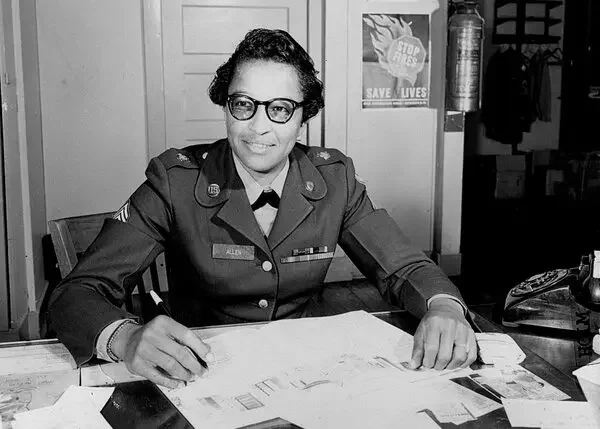
Doris L. Allen in an undated photograph. She joined the Women’s Army Corps in 1950 and was the first woman to attend the Army’s prisoner-of-war interrogation course.
Photo courtesy of Christina Brown Fisher
How NSL4A Is Taking Action